

We open Google, type a question, get the answer instantly, and close the tab. This seamless, friction-free habit has become second nature to billions of internet users. Whether checking the weather, looking up a historical fact, or troubleshooting a quick software error.
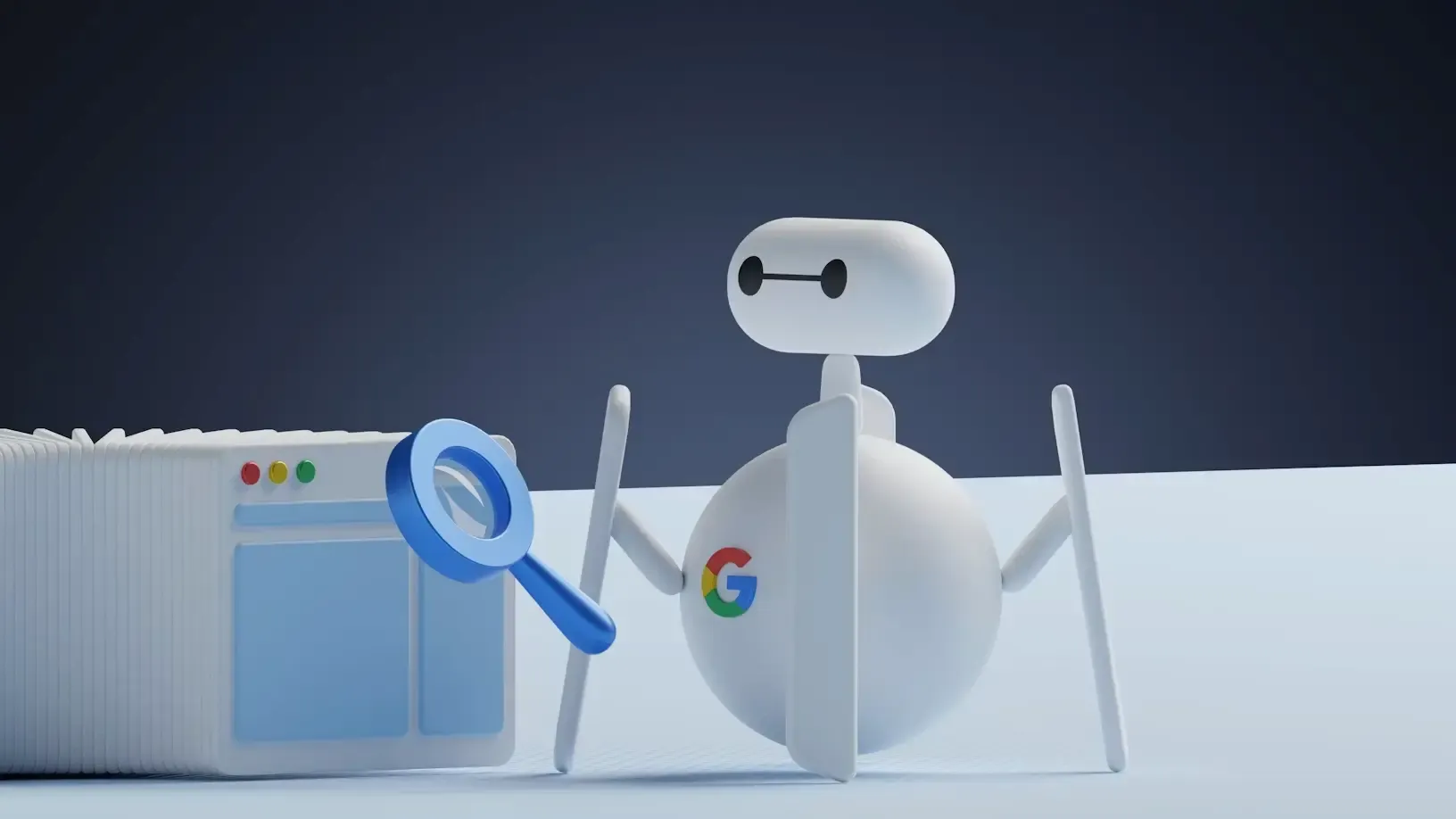
This is the reality of the "Zero-Click" phenomenon—search queries that are answered directly on the Search Engine Results Page (SERP), requiring the user to perform zero clicks to external websites. Once hailed as the ultimate user-experience upgrade, the zero-click trend has transformed into the "Zero-Click Problem" ,an existential threat to content creators, digital publishers, various companies and the very economics of the open web. AI now crawls dozens of sources simultaneously, synthesizes the information, and presents a cohesive, conversational summary. The user gets exactly what they want in seconds. The website that spent hours researching and writing that information gets absolutely nothing.
The core of the Zero-Click Problem is a deeply unfair economic loop. Content creators, independent journalists, and businesses invest massive amounts of time, expertise, and capital into producing high-quality content and promoting it. Google’s algorithms scrape this content, repackage it, and deliver it to the user.
By keeping users trapped on its own page, the search engine maximizes its own ad views while cutting off the lifeblood of the actual creators: organic web traffic.
When clicks plummet, digital publishers face a severe monetization crunch. Ad impressions drop, affiliate link revenues dry up, and newsletter sign-ups stall. This creates a terrifying paradox for the future of the internet: If creators stop publishing because it is no longer profitable, where will the AI engines pull their information from?
AI cannot synthesize a deserted web.

How to adapt ? To survive this era, brands and creators must shift from providing generic information to offering irreplaceable value.
Target High-Intent and Commercial Keywords: While AI is excellent at answering informational queries ("What is a Zero-Click search?"), users still need to click when they have commercial intent ("Best SEO agency for e-commerce" or buying a physical product).
Double Down on "Un-AI-able" Content: AI excels at aggregating data, but it cannot replicate lived human experience. The content that will thrive in the future relies on original data studies, proprietary interviews, first-person narratives, and strong, opinionated thought leadership.
Embrace GEO (Generative Engine Optimization): Instead of fighting the AI, creators must learn to be cited by it. Structuring data cleanly and stating clear, authoritative facts increases the chances of being listed as the "source" link inside the AI Overview box.They do this by adding "citation blocks"—highly factual, 40-to-60-word answers packed with original data and structured tables that AI bots love to scrape and credit.
The Rise of Private Data Networks: To survive, companies are moving their best insights behind registration walls, premium private communities, or gated resource centers. They are telling search bots: "You can look at our homepage, but if you want our proprietary data and industry reports to train your AI or answer user questions, you have to license it or partner with us”. Platforms with unique user-generated data (like Reddit, Stack Overflow, and major publishers) have locked down their APIs, forcing AI companies to buy formal access to their data stream.
Build Owned Audience Channels: The most dangerous strategy today is relying solely on an algorithm you do not control. Shifting focus toward building direct relationships via email newsletters, podcasts, and community platforms ensures a loyal audience that doesn't need a search bar to find you.
However there is a silver lining hidden in the data. While overall traffic is dropping, studies show that the clicks that actually survive and make it to a company's website convert 23% better than before. Why? Because the AI weeds out the casual browsers. If a user reads the zero-click summary and still chooses to click through to a company's website, they possess incredibly high intent to buy or contract a service.
How can companies track their sales when clicks are disappearing?
The core Key Performance Indicator (KPI) is shifting. Companies are realizing that measuring website traffic is an outdated metric.When users read about a brand in an AI Overview, get their answer, and close the tab without clicking, traditional web analytics (like Google Analytics 4) register absolutely nothing. The entire customer journey happens in a "black box."
To fight this, companies have completely re-engineered how they measure marketing ROI. They have shifted from click-based tracking to ecosystem-based tracking.
Here are the primary methodologies companies use to measure success when clicks disappear:
1 . Post-Purchase Attribution (HDYHAU Surveys) The simplest solution has turned out to be the most reliable: just ask the customer. Companies are universally adopting "How Did You Hear About Us?" (HDYHAU) surveys at checkout.
How it works: Immediately after a purchase or sign-up, the customer is given a multi-choice or open-text field.
The Zero-Click Value: Instead of seeing a sale marked as "Direct Traffic" (because the user typed the URL manually after seeing it on Google), the survey reveals the truth: "I searched for solutions on Google and your brand was recommended in the AI summary."
2 . Marketing Mix Modeling (MMM) Because user-tracking is dying due to both zero-click searches and privacy laws, data-driven companies are reviving MMM. This is a macro-statistical approach used historically by massive brands like Coca-Cola.
- How it works: Instead of tracking individual users, companies feed machine learning models data on overall marketing spend alongside baseline sales over time.
- The Zero-Click Value: If a company launches a massive campaign to optimize their content for AI search engines, and three weeks later they see a 15% lift in baseline sales—without an increase in website clicks—the MMM model mathematically attributes that revenue lift to the increased visibility in search engines.
3 . Tracking "Share of Model" and Brand Mentions Companies are treating AI search engines the same way they used to treat traditional PR (Public Relations). Success is measured by how often the brand is talked about.
How it works: Marketing teams use specialised SEO tools to track their "Share of Model" (how often an AI engine like ChatGPT, Perplexity, or Google Gemini names their product when a user asks for recommendations).
The Zero-Click Value: There is a direct correlation between being highly cited by AI engines and an increase in direct website traffic or branded searches later on. If "Brand Mentions" inside AI search tools go up, sales almost always follow.
4 . Lift in Branded Search Volume When a user sees a company recommended in a zero-click snippet, they rarely click the tiny citation link. Instead, they digest the information, and later on, they go back to the search bar and type the exact brand name (e.g., searching for "Asana software" instead of just "project management tools").
- How it works: Companies monitor their Google Search Console for a spike in Branded Search Volume.
- The Zero-Click Value: A rise in people searching for a company by name is the ultimate proof that "unclicked" visibility in informational searches is successfully building brand equity and driving future sales.
Zero-Party Data and Community Growth
If high-quality content is moving toward a licensed, gated model, the ultimate metric of success is how many users choose to enter your private ecosystem.
What it is: The growth of channels you own entirely, free from search engine algorithms.
How to measure it: Tracking monthly recurring sign-ups for email newsletters (like Substack), private community memberships, podcast downloads, and gated resource downloads. If your private audience is growing, your business is protected from the zero-click squeeze.
To survive and thrive in this new paradigm, brands must abandon the vanity metric of raw website clicks and double down on building true authority, proprietary insights, and unmistakable human authenticity. By redefining what "success" looks like, companies can stop chasing ghost clicks and start building a resilient digital presence that AI engines are forced to either recommend or pay to access.

 Official Odoo Partner